Translate

Monday, December 1, 2014

Fire destroys St Sebastian’s Church New Delhi, foul play suspected

As reported by Matters India website
New Delhi, Dec 1: Foul play has been suspected after a fire destroyed a Catholic church in Delhi.
The mysterious fire on Monday morning reduced to ashes St Sebastian’s Church in Dilshad Garden that lies on the eastern extreme of the national capital.

“The fire has completely charred the sanctuary, sacristy and the first floor balcony,” Father Stanley Kozhichira, media director of Delhi archdiocese, told Matters India.
The news about the fire brought hundreds of people to the church situated outside the residential areas. The crowd stood on the road before the church building and prayed for peace and communal harmony. Later they marched to the local police station and staged a sit-in to protest police’s alleged slackness in dealing with the case.
After police officials promised to send a forensic team to probe the fire, the demonstrators shifted the venue to a road intersection near the Guru Teg Bahadursingh Hospital.
The fire seemed to have occurred between 5:30 am and 6:30 am during the guard change. The fire brigade came around 7:45 and doused the fire.
The church was opened on December 30, 2001, by then Archbishop Vincent Concessao of Delhi. It belongs to Delhi Latin rite archdiocese but also serves as worship place for the Syro-Malabar Catholics living in and around Dilshad Garden, one of the largest residential areas in Delhi.
Archbishop Kuriakose Bharanikulangara, who visited the church, said he suspected sabotage. The Syro-Malabar prelate said he had conducted Holy Communion and Confirmation for 17 children on Sunday. “It was painful to see the altar and sanctuary burned down the next day,” the prelate told Matters India.
The archbishop also said it was quite evident that the fire was not natural. “All Christian communities are aggrieved over this incident,” he added.
Veer Singh Diwas, a former legislator who rushed to the church, alleged the fire was preplanned. He told reporters that he found a window on the first floor open and someone might have thrown some inflammable material into the church through that opening. “We demand a complete enquiry into this incident,” he added.
The politician accused the police and administration for not taking up the matter seriously. “It is very sad that no police officer has come to the church even after four hours of reporting the case. Why is the administration so inactive? Whose permission do they need to take action?” he asked.
He condemned the incident as an attack on Christians, “a peaceful and responsible community” with whom he has worked for more than 15 years.
Father Kozhichira also agreed that the fire was a “purposeful attack on a holy place of a minority community. It is a shameful act of desecrating people’s faith,” he added.
The incident occurred in the backdrop of Delhi getting ready to elect its legislative assembly. The capital witnessed in October localized sectarian violence at three different places.
Fr Kozhichira said they found kerosene in the church’s attic and suspect that someone had used inflammable material to set fire to the church. “A natural fire would not be like this,” he asserted and pointed out that they found the fuse below under the balcony intact. “The smell of kerosene was still strong even after four hours,” he added.
The priest said they would protest until they get justice. “Our Constitution gives us the freedom to practice our faith and propagate it,” he adeed.
Jitender Singh Shunty, who represents Shahdara constituency in the Delhi Legislative Assembly, and Preeti Behan, local councilor, also visited the church to study the situation.
Later talking to media person, Shunty said he had inspected the scene and was convinced it was “a deliberate” act.
“They have destroyed each and every item, taking enough time. Whoever has done should be arrested soon,” the legislator said.
“This incident has hurt the sentiments of our Christian brothers, who are a peaceful community,” he said and added that any attack on a place of worship is an abominable act.



Saturday, November 29, 2014

ലക്ഷ്മിയുടെ നേരിന് പൊന്നിനേക്കാള്‍ തിളക്കം

  Nov 29, 2014

വാടാനപ്പള്ളി: പല വീടുകളില്‍നിന്ന് ശേഖരിച്ച പഴയ വസ്ത്രങ്ങള്‍ വില്‍പ്പനക്കാരന് നല്‍കാനെടുക്കുമ്പോഴാണ് അതില്‍ ഒരു ഷര്‍ട്ടിന്റെ പോക്കറ്റില്‍നിന്ന് അഞ്ചരപ്പവന്‍ തൂക്കമുള്ള സ്വര്‍ണ്ണമാല താഴെ വീണത്. ലക്ഷ്മിയെന്ന നാടോടിപ്പെണ്ണിന്റെ മനസ്സിളക്കാന്‍ ആ പൊന്നിന് കഴിഞ്ഞില്ല. തനിക്കും കുഞ്ഞിനും അന്നത്തിന് വഴി കണ്ടെത്താന്‍ പഴയ തുണികള്‍ ശേഖരിച്ച് വില്‍ക്കുന്ന ലക്ഷ്മിയുടെ നേരിന് സ്വര്‍ണ്ണത്തേക്കാള്‍ തിളക്കമുണ്ടായപ്പോള്‍ അഞ്ചേരി ഓടത്തുപറമ്പില്‍ അഭിലാഷിെന്റ ഭാര്യ ലിജിക്ക് താലിമാല തിരികെ കിട്ടി.

കണ്ണില്‍ കണ്ടതെല്ലാം കവരുന്നവരാണ് തന്റെ വര്‍ഗ്ഗക്കാരെന്ന സമൂഹത്തിന്റെ ധാരണയാണ് ലക്ഷ്മി തിരുത്തിയത്. നേരിന്റെ നാടോടിനന്മയ്ക്ക് പോലീസിന്റെ പ്രശംസയും ലഭിച്ചു. കോയമ്പത്തൂര്‍ക്കാരിയാണ് ലക്ഷ്മി. ഭര്‍ത്താവ് ഉപേക്ഷിച്ചുപോയി. മാതാപിതാക്കള്‍ നേരത്തെ മരിച്ചു. വര്‍ഷങ്ങളായി ഇടശ്ശേരി പടിഞ്ഞാറുള്ള വാടക ഷെഡ്ഡിലാണ് കഴിയുന്നത്. തൊഴിലിന്റെ ഭാഗമായി വ്യാഴാഴ്ച അഞ്ചേരി ഭാഗത്തെത്തിയ ലക്ഷ്മിക്ക് ഏതാനും വീട്ടുകാര്‍ പഴയ വസ്ത്രങ്ങള്‍ നല്‍കി. ലിജിയും വസ്ത്രങ്ങള്‍ നല്‍കിയിരുന്നു

താമസസ്ഥലത്ത് തിരിച്ചെത്തിയ ലക്ഷ്മി ശേഖരിച്ച തുണികള്‍ പഴയ വസ്ത്രങ്ങള്‍ വാങ്ങുന്ന അമ്പാടിക്ക് കൊടുക്കാന്‍ എടുത്തപ്പോഴാണ് ഒരു ഷര്‍ട്ടില്‍നിന്ന് സ്വര്‍ണ്ണമാല ലഭിച്ചത്. തന്റേതല്ലാത്ത മുതല്‍ ഉടമക്ക് തിരിച്ചെത്തിക്കണമെന്ന് തീരുമാനിക്കാന്‍ ലക്ഷ്മിക്ക് ഒട്ടും സമയം വേണ്ടിവന്നില്ല. പക്ഷേ, ആരുടേതാണെന്ന് അവള്‍ക്ക് മനസ്സിലായില്ല. ലക്ഷ്മി, ഷെഡ്ഡിനടുത്ത് ചായക്കട നടത്തുന്ന കൃഷ്ണന്റെ സഹായം തേടി. അമ്പാടിയും കൃഷ്ണനുമൊത്ത്് വ്യാഴാഴ്ച വൈകീട്ടു തന്നെ സ്വര്‍ണ്ണമാല വാടാനപ്പള്ളി സ്‌റ്റേഷനിലെത്തിച്ചു.

സ്വര്‍ണ്ണമാല നഷ്ടപ്പെട്ടതറിഞ്ഞ ലിജിയും വീട്ടുകാരും ഇതിനിടെ വീട്ടിലാകെ തിരഞ്ഞു. ആലോചിച്ചപ്പോള്‍ ഷര്‍ട്ടിനുള്ളില്‍ പെട്ടിട്ടുണ്ടാകുമെന്ന് തോന്നി. അലമാരയില്‍നിന്നാണ് പഴയ വസ്ത്രങ്ങള്‍ നാടോടിസ്ത്രീക്ക് നല്‍കിയത്. മാലയും അലമാരയിലായിരുന്നു. വാടാനപ്പള്ളി ഭാഗത്താണ് സ്ത്രീ താമസിക്കുന്നതെന്ന് പറഞ്ഞിരുന്നതിനാല്‍ വാടാനപ്പള്ളി പോലീസ് സ്‌റ്റേഷനിലെത്തി വിവരം പറഞ്ഞു.

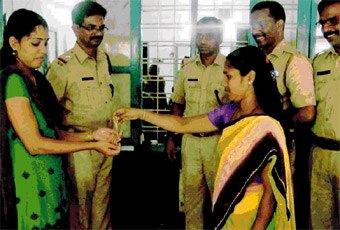
എന്നാല്‍, ഞെട്ടിയത് ലിജിയായിരുന്നു. തന്റെ സ്വര്‍ണ്ണമാല ലക്ഷ്മി അവിടെ ഏല്‍പ്പിച്ചുവെന്നറിഞ്ഞപ്പോഴായിരുന്നു ഇത്. വെള്ളിയാഴ്ച രാവിലെ സ്‌റ്റേഷനില്‍ ലിജി എത്തിയപ്പോള്‍ ലക്ഷ്മി അവിടെയുണ്ടായിരുന്നു. എസ്.ഐ. സജിന്‍ ശശി, അഡീഷണല്‍ എസ്.ഐ. ടി.സി. കലാധരന്‍, സീനിയര്‍ സി.പി.ഒ. ടി. ജയകുമാര്‍, റൈറ്റര്‍ പി.എസ്. സുജിത്ത് എന്നിവരുടെ സാന്നിധ്യത്തില്‍ ലക്ഷ്മി ലിജിക്ക് സ്വര്‍ണ്ണമാല കൈമാറി.

Friday, November 14, 2014

ഗുണ്ടര്‍ട്ടിന്റെയും ഹെസ്സേയുടെയും വഴിയില്‍ ഒരു ചരിത്രയാത്രിക


Posted on: 15 Nov 2014


കോഴിക്കോട്:നക്ഷത്രരാശികളുടെ പഥത്തില്‍ പിറന്നതിന്റെ അഭിമാനത്താല്‍ പ്രകാശിച്ച മുഖമാണ് ഓക്‌സ്‌ഫെഡ് സര്‍വകലാശാലയിലെ ചരിത്ര പ്രൊഫസറായ ഡോ. മാര്‍ഗരറ്റ് ഫ്രന്‍സിന്റെത്.

ചരിത്രവും വിശ്വവിമോഹനമായ സാഹിത്യവും ഭാഷാശാസ്ത്രവും എല്ലാം കലക്കിക്കുടിച്ച രണ്ട് മഹാപ്രതിഭകളാണ് അവരുടെ പൂര്‍വസൂരികള്‍-'നക്ഷത്രങ്ങളുടെപോലും ഭാഷ അറിയുന്ന' ഹെര്‍മന്‍ ഗുണ്ടര്‍ട്ടും 'സിദ്ധാര്‍ഥ' എന്ന ഒറ്റ നോവല്‍ കൊണ്ട് പൂര്‍വദേശത്തിന്റെ ഹൃദയത്തെയും ആത്മാവിനെയും ലോകത്തിന് മുന്നില്‍ അവതരിപ്പിച്ച നൊബേല്‍സമ്മാന ജേതാവ് ഹെര്‍മന്‍ ഹെസ്സേയും.

രണ്ടുപേരും ജര്‍മന്‍കാര്‍; ഇന്ത്യയില്‍ ജീവിക്കുകയും ഈ രാജ്യത്തിന്റെ ആത്മാവിനെ അറിയുകയും ചെയ്തവര്‍. ഗുണ്ടര്‍ട്ട് മലയാളത്തിന് നിഘണ്ടുവരെ തീര്‍ത്തയാള്‍. വേരുകളോളം ചെല്ലുന്നതും മുറിയാത്തതുമായ ഈ ബന്ധത്തിലേക്കാണ് ഓരോതവണയും ഫ്രന്‍സ് തിരിച്ച് വന്നുകൊണ്ടേയിരിക്കുന്നത്.

കേരള ചരിത്ര കോണ്‍ഗ്രസ്സിന്റെ രണ്ടാം വാര്‍ഷികസമ്മേളനത്തില്‍ പങ്കെടുക്കാനാണ് അവര്‍ കോഴിക്കോട്ട് എത്തിയത്. മലയാളത്തിന്റെയും ഇന്ത്യയുടെയും മണ്ണിന്റെ ആഴങ്ങളിലേക്ക് ഇറങ്ങിച്ചെന്നതാണ് തന്റെയും കുടുംബത്തിന്റെയും ബന്ധമെന്ന് ഫ്രന്‍സ് അഭിമാനത്തോടെ പറയുന്നു. 'ഗുണ്ടര്‍ട്ട് എന്റെ മുതു മുതു മുതു മുത്തച്ഛനാണ്. ഹെര്‍മന്‍ ഹെസ്സെ വലിയമ്മാവനും. ഇവരുമായുള്ള ബന്ധം എന്നാല്‍ ഇന്ത്യയുമായുള്ള ബന്ധം എന്നാണ്. കുഞ്ഞുനാളുതൊട്ടേ ഞാന്‍ ഇന്ത്യയില്‍ വന്നുകൊണ്ടേയിരിക്കുന്നു; പ്രത്യേകിച്ചും കേരളത്തില്‍''
ജര്‍മനിയിലെ കാല്‍വിലാണ് മാര്‍ഗരറ്റ് ഫ്രന്‍സ് ജനിച്ചത്. കാല്‍വ് എന്നാല്‍ ഇപ്പോള്‍ ഹെര്‍മന്‍ ഹെസ്സെയാണെന്ന് അവര്‍ പറയുന്നു. 'കുഞ്ഞുന്നാളിലേ വായിച്ചുതുടങ്ങിയതാണ് ഹെര്‍മന്‍ ഹെസ്സേയുടെ കൃതികള്‍. അപ്പോഴൊന്നും അദ്ദേഹം എന്റെ വലിയമ്മാവനാണ് എന്ന കാര്യം അറിയില്ലായിരുന്നു. വായനയില്‍ വളരെ മുന്നേറിയപ്പോഴാണ് ഈ എഴുത്തുകാരനുമായുള്ള ബന്ധം അറിഞ്ഞത്. അദ്ദേഹത്തിന്റെ എല്ലാ കൃതികളും എനിക്കിപ്പോള്‍ പ്രിയപ്പെട്ടതാണ്'-ഫ്രന്‍സ് പറഞ്ഞു.

ഹെര്‍മന്‍ ഹെസ്സെ തന്റെ ആത്മകഥയില്‍ ഹെര്‍മന്‍ ഗുണ്ടര്‍ട്ടിനെക്കുറിച്ച് പറഞ്ഞത് 'അദ്ദേഹത്തിന് നക്ഷത്രങ്ങളുടെ ഭാഷ വരെ അറിയാമായിരുന്നു' എന്നാണ്. ഇത് ശ്രദ്ധയില്‍പ്പെടുത്തിയപ്പോള്‍ ഫ്രന്‍സ് പറഞ്ഞു: ' അദ്ദേഹത്തിനറിയുന്നതിന്റെ പകുതിപോലും ഭാഷ എനിക്കറിയില്ല. ലാറ്റിന്‍, ഗ്രീക്ക്, ഇംഗ്ലീഷ്, ജര്‍മന്‍ തുടങ്ങിയ കുറച്ച് ഭാഷകള്‍ അറിയാം. തമിഴ് അറിയാം. മലയാളം കുറച്ച് കുറച്ച് അറിയാം. കേരളം വലിയ ഇഷ്ടമാണ് എനിക്ക്. പ്രത്യേകിച്ചും കേരള ഭക്ഷണം'.

അവര്‍ ചിരിക്കുമ്പോള്‍ ഇല്ലിക്കുന്നിലിരുന്ന് മലയാളത്തെ നോക്കിയ ഗുണ്ടര്‍ട്ടിന്റെ കണ്ണുകളിലെ ബുദ്ധിയുടെയും ഹെര്‍മന്‍ ഹെസ്സേയുടെ മന്ദഹാസത്തിന്റെയും അലകള്‍ മുഖത്ത്.

crtsy-The Mathrubhumi

Wednesday, November 12, 2014

Happy 100 th Birthday-WHY DEATH SENTENCE ON DEATH SENTENCE?


Capital Punishment : A Penological Barbarity

WHY DEATH SENTENCE ON DEATH SENTENCE?
Wednesday 31 October 2007, by V R Krishna Iyer
Compassion for all living creatures (Article 51A) and human rights in its spectral dimensions, including the right to reform oneself out of a diabolic past, if any (Article 21), are great constitutional values spelt out in Sunil Batra (AIR 1978 SC) and Maru Ram (1981 SCC) and a number of other refined rulings of the Supreme Court. We have accepted in our Buddha-Gandhi country the reformatory theory of criminal jurisprudence and impliedly departed from the retributive theory which once prevailed with a savage imperial flavour. Independence heralded Social Justice commitment and the State’s profound reverence for human life however malignant by culpable conduct it may be. The Universal Declaration of Human Rights and the general ethos of the United Nations contradict the unconscionable punitivity of ‘an eye for an eye’. From Macaulay, who drafted the Indian Penal Code, to Mahatma Gandhi, the Father of the Nation, who stood unexceptionably against death penalty, there has been a benignant value shift. The Amnesty International has, for long, been carrying on an uncompromising campaign against this appalling penal inhumanity practiced as death sentence. The United Nations is seriously concerned with this sentencing terror. In this context I have addressed an epistolary appeal to Prime Minister Dr Manmohan Singh. We, the People of India, using its Sovereign Constitutional Power, must abolish Death Sentence as the United Kingdom and a large majority of nations have already done. The State cannot sanction murder by hanging or otherwise and justify this shocking violence on the score of reprisal against the brutality of private butchers. Sanguinary atrocity by a non-state agency is no paradigm at all to justify burking the offender based on the blood-thirsty retributive justice commandment. ‘Thou Shall Not Kill’ is the cultural quintessence and spiritual majesty of our Republic’s justice system.
India, with its heritage of Gautama Buddha, and Mahatma Gandhi, has stood for a culture of compassion for living creatures (now constitutionalised in Article 51A). Therefore, there is a moral mandate that no one shall be deprived of life by the State as it savages humanity and sanctifies barbarity. Between Macaulay, whose country even publicly hanged pick-pockets, and the Mahatma, who sublimely astonished the world with indefeasible nonviolence, there has been a phenomenal transformation in global criminological values and in the vision of our nation. This glorious Gandhianisation persuaded me to conscientise punitive justice in two Supreme Court rulings where my opinion prevailed. .
The Supreme Court of California has acknowledged in two cases the cruel and degrading effect of dalay: People V. Chessman (34 P. 2d 679 (1959) at page 699) and People V. Anderson (493 P.2d 880, 894 (1972). In the latter case the Court expressly mentioned the dehumanising effects of lengthy imprisonment prior to execution. Justice Krishna Iyer of the Indian Supreme Court has expressed a similar view, when the delay after sentence was six years. They were Edigma Annamma (1974) 4 SCC 443) and Rajendra Prasad (1979) (3 SCC 646), which were cited with approval by the great judge Lord Scarman in a Privy Council case (vide Supreme Court On Criminal Law, p.1465)
WAY back in 1976 (?) I was invited by Amnesty International to speak at the inaugural of a seminar against death penalty held in Stockholm. I made an emphatic demand at that conference for the absolute abolition of death sentence, a plea which was firmly shared by Olaf Palme (?) who was the then Prime Minister of Sweden. I have always stood for clemency for death sentencees on the theory that every person, even if he has committed murder ‘most foul’, must be given an opportunity to reform himself. Retributive justice, based on an eye for an eye, makes the whole world blind, as Mahatma Gandhi powerfully put it. The State cannot kill, even if a private murderer is found guilty of terrible killing. Refined jurists have supported this humanising process which I described in one of my judgments as Operation Valmiki. Valmiki was a forest robber who went to the extent of even murder, but when he was chastened by a saintly message he proved to be one of the noblest souls in the cosmos who composed the Ramayana and is regarded as perhaps the greatest epic poet in Sanskrit. It will be the grandest event of our century if, as a universal rule, death penalty is abolished.
Indeed, a momentum is gathering to end capital punishment in all countries. 130 nations, from all regions of the world, have abolished the death penalty in law or in practice and only 25 countries carried out executions in 2006. Amnesty International (AI)’s statistics also show a significant, overall decline in the number of reported executions in 2006. (Excerpts from a statement by Amnesty International)
Death sentence on Death Sentence is an inviolable command of compassionate culture and fundamental expression of social justice grandeur. No civilised state shall have authority to inflict death penalty even in the rarest of rare cases, lest it be condemned as guilty of barbarity and devoid of humanity. Universal respect for Human Rights commands absolute abolition of capital punishment as no state, committed to social justice and human rights can stultify or demolish the right to life of any human being.
Before I conclude this militant plea against death sentence I must place on record an extraordinary piece of information hardly known to the outside world. The late Nikhil Chakravartty, while inaugurating at Trivandrum my campaign as the presidential candidate some years ago, stated what is rarely written about President Radhakrishnan. Nehru was the Prime Minister and Radhakrishnan, the President. Death warrants, before actual execution, had to be signed by the President. It would appear that Dr Radhakrishnan, our great philosopher and humanist, did not believe in death sentence and did not sign death warrants because they were against his conviction. When these instances multiplied, Nehru, the Prime Minister, sent a special official to convey his wish that the President may be pleased not to delay signing death warrants. Dr Radhakrishnan, the rarest of the rare Presidents, told this high official, who had come from the Prime Minister: please tell the Prime Minister that he had better wait for the next President to sign.
(Justice V.R. Krishna Iyer is a former Supreme Court judge and a distinguished champion of civil liberties and human rights.)

crtsy.Mainstream

Monday, October 20, 2014

Lynching of boy underlines how the curse of caste still blights India

Sai Ram, burned alive because of a stray goat, was just one of 17,000 Dalits to fall victim to caste violence in the state of Bihar
  • The Guardian, 


Dalits at a ceremony honouring survivors of caste-based atrocities. Dalits in Bihar have long faced
Dalits at a ceremony honouring survivors of caste-based atrocities. Dalits in Bihar have long faced massacres and gang-rapes. Photo: Alessio Mamo/Redux/eyevine
In another time, another place, Sai Ram might have escaped serious harm. But he died in great pain last week, a casualty of a bitter, barely reported conflict that still claims many lives every year.
Ram, 15, was a goatherd in a village in the poor eastern Indian state of Bihar. He was a Dalit, from the lowest rung of the caste hierarchy that still defines the lives, and sometimes the deaths, of millions of people in the emerging economic power.
His alleged killer, currently being held by local police, is from a higher landowning caste. He took offence when one of the teenager’s goats strayed on to his paddy field and grazed on his crops. Ram was overpowered by the landowner and a group of other men. He was badly beaten.
Then petrol was poured over him and lit, Ram’s father, Jiut Ram, said. “He was crying for help, then went silent,” the 50-year-old daily wage labourer told the Guardian.
The incident took place at Mohanpur village, about 125 miles (200km) south-west of Bihar’s capital, Patna, in an area known for caste tensions. It was the latest in a series of violent incidents that have once again highlighted the problems and discrimination linked to caste, particularly in lawless and impoverished rural areas.
Earlier this month, five Dalit women were allegedly gang-raped by upper-caste men in central Bihar’s Bhojpur district. In September, hundreds of Dalit families were forced from their homes in two other districts of Bihar after a man from the community tried to contest a local election against higher caste candidates.
Several political, social and economic factors usually lie behind such upsurges in caste-related violence. One reason for Bihar’s recent incidents may be the appointment in May of Jitan Ram Manjhi, a Dalit, as the chief minister of the state.
Since taking power Manjhi has announced measures to help other Dalits in Bihar, one of India’s poorest states, and is reported to have urged the community to have more children to become a more powerful political force.
Dalits account for some 15% of Bihar’s population of 103.8 million.
The chief minister’s call was not well received by members of other castes, local observers said.
Sachindra Narayan, a prominent Patna-based social scientist with the National Human Rights Commission in Delhi, said: “The prime reason [for the violence] is that [Dalits] feel empowered after seeing someone from their community at the head of the state and have begun to assert their rights. This is purely a retaliation from the dominant social groups.”
Manjhi claims a temple in northern Bihar was ritually cleaned and idols washed with holy water after his visit to the shrine. Such ceremonies are still performed by upper castes to eradicate “pollution” left by lower-caste visitors.
“A deep-rooted bias prevails against … those from the downtrodden sections of society … I have myself been a victim of caste bias,” the 70-year-old said.
Opponents claim Manjhi was stoking caste tensions for political advantage.
In the vast neighbouring state of Uttar Pradesh, caste is also a major political issue, with power contested by two parties that broadly represent two different caste communities. That of Mayawati explicity campaigns for Dalits, while the ruling Samajwadi party is seen by many as representing the Yadavcommunity, once pastoralists.
Caste became a factor in recent national elections too. The prime minister, Narendra Modi, comes from a poor family from the lower-caste Ghanchicommunity, which is associated with selling oil. His rise from humble origins to leader of 1.25 billion people has inspired many – but also provoked scorn from elite politicians who have mocked his background.
The origins of caste are contested. Some point to ancient religious texts, others to rigid classifications of more local definitions of community and identities by British imperial administrators. The word “caste” is of Portuguese origin.
Regardless of its origins, the word still has the power to stir controversy. Arundhati Roy, the Booker prize-winning author, recently accused Mahatma Gandhi, India’s revered independence leader, of discrimination and called for institutions bearing his name to be renamed because of his attitude to caste.
She said: “It is time to unveil a few truths about a person whose doctrine of nonviolence was based on the acceptance of the most brutal social hierarchy ever known, the caste system … Do we really need to name our universities after him?”
Sociologists say the rapid urbanisation of India has weakened the caste system as the realities of living in overcrowded Indian cities make reinforcing social separation and discrimination through rituals or violence much harder.
But if change is coming to places like rural Bihar, it is often accompanied by violence.
Last October a roadside bomb killed Sunil Pandey, a landowner who was alleged to be a senior figure in a militia formed in 1994 to enforce the interests of higher castes in the state, but which has been largely dormant recently.
The Ranvir Sena militia, formed by men of the Bhumihar caste of landlords, is held responsible for a series of massacres of Dalits in the 1990s. These murders, in effect reprisals against local Maoist guerrillas, who have also killed many, reached a bloody climax with the deaths of 58 men, women and children with no connection to extremism in the village of Lakshman Bathe in 1998. Ranvir Sena and Pandey were blamed.
Last year 24 men had their convictions for that massacre overturned by Bihar’s high court, prompting renewed clashes.
The authorities have pledged rapid justice for Ram, the 15-year-old burned to death last week. But of nearly 17,000 pending trials in Bihar involving charges of violence against Dalits only a 10th were dealt with last year.
“We are going to … start speedy trial of the case,” Chandan Kumar Kushwaha, the local superintendent of police, said, while the chief minister told reporters he was taking a personal interest in the case.
“I have talked to the state’s director general of police and district superintendent of police concerned, and ordered them to … deliver instant justice to the victim [sic] family,” Manjhi said.
For the teenager’s father, nothing can compensate for the death of his son. “My entire world is lost now,” he said.
crtsy-The guardian